If you have never used doggy daycare, the play yard can look like simple chaos: a group of dogs, a fence, and a lot of running. Good daycare is more deliberate than that. The group your dog joins was chosen, and the choosing started before your dog ever met another dog.
At facilities like Double N Kennels in Charlotte, matching is about keeping play fun and safe at the same time. Here is what that process looks like for a first-timer, step by step.
Why size alone is not the match
Size matters, because a ninety-pound dog playing chase can knock a fifteen-pound dog over without meaning any harm. But size is only the first filter. Age matters too: puppies play in short, wild bursts and have not learned when another dog has had enough. Adolescent dogs often play rough and test boundaries. Adult dogs tend to settle into a style, and senior dogs usually want company more than contact.
Play style is the filter owners notice least and staff watch most. Some dogs love wrestling. Some prefer chase. Some like to be near the action without joining it, and some genuinely prefer people to dogs. A chaser placed with wrestlers, or a quiet dog placed in a rowdy yard, will not have a good day even if every dog is friendly.
The evaluation comes first, on purpose
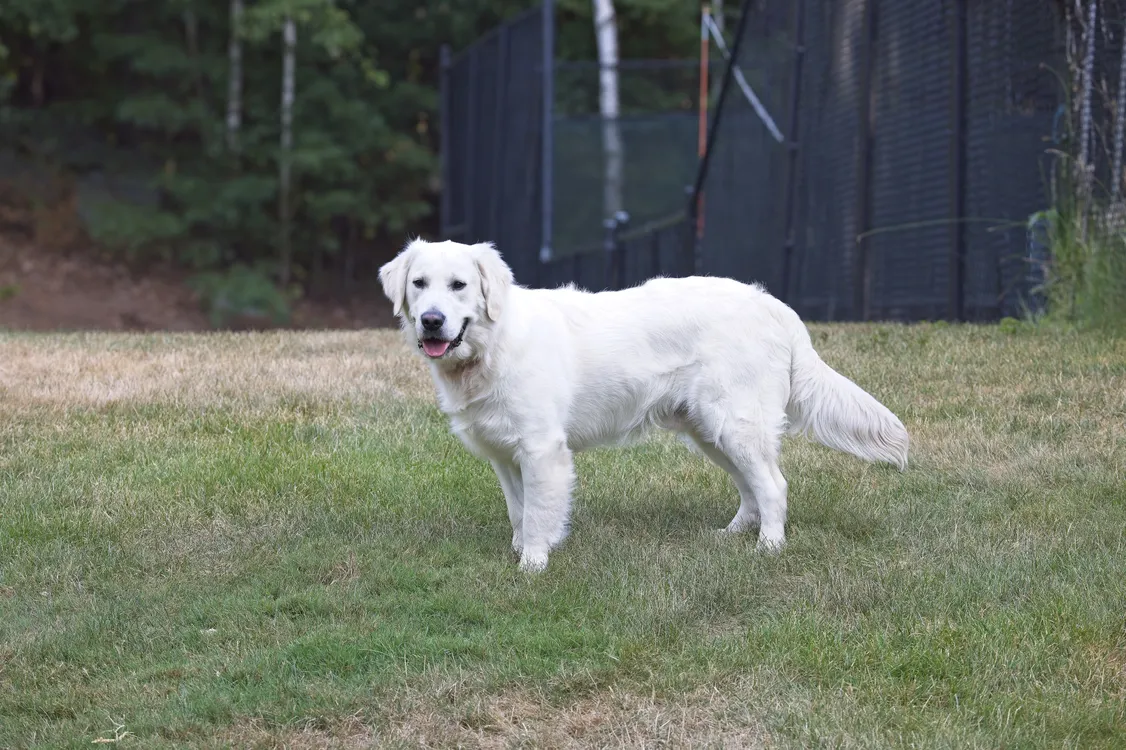
An evaluation protects your dog and everyone else's. Staff watch how a new dog enters a space, whether it approaches other dogs politely or head-on, how it responds when another dog says no, and whether it can settle when play pauses. A dog who cannot read a growl or a turned head as a signal needs a smaller, calmer group, not a bigger audience.
Evaluations also reveal arousal levels. A dog who starts at a reasonable energy and comes down when asked is very different from a dog who climbs higher every minute until play tips into snapping. Neither dog is bad. They simply need different groups, different break schedules, and sometimes shorter days.
How a first day usually unfolds
- Check-in and health review. Staff confirm vaccinations, ask about recent illness, medication, and any history of guarding toys, food, or people.
- A quiet look around. Your dog explores an empty yard or indoor space first, learning smells and surfaces without social pressure.
- One calm introduction. The first meeting is usually with one steady, well-matched dog, on neutral ground, with staff close and leashes handled carefully if used.
- A short group session. If the first meeting goes well, your dog joins a small group for a limited time while staff watch body language, breaks, and recovery.
- Rest breaks built in. Play is broken up with water, shade, and downtime in a kennel or crate so excitement does not stack up all day.
- Regrouping as needed. Staff move dogs between groups through the day as energy changes. A morning match is not locked in until pickup.
- A report at pickup. You hear who your dog played with, what style it showed, how it handled breaks, and whether a full day or a half day fits better next time.
Why groups change during the day
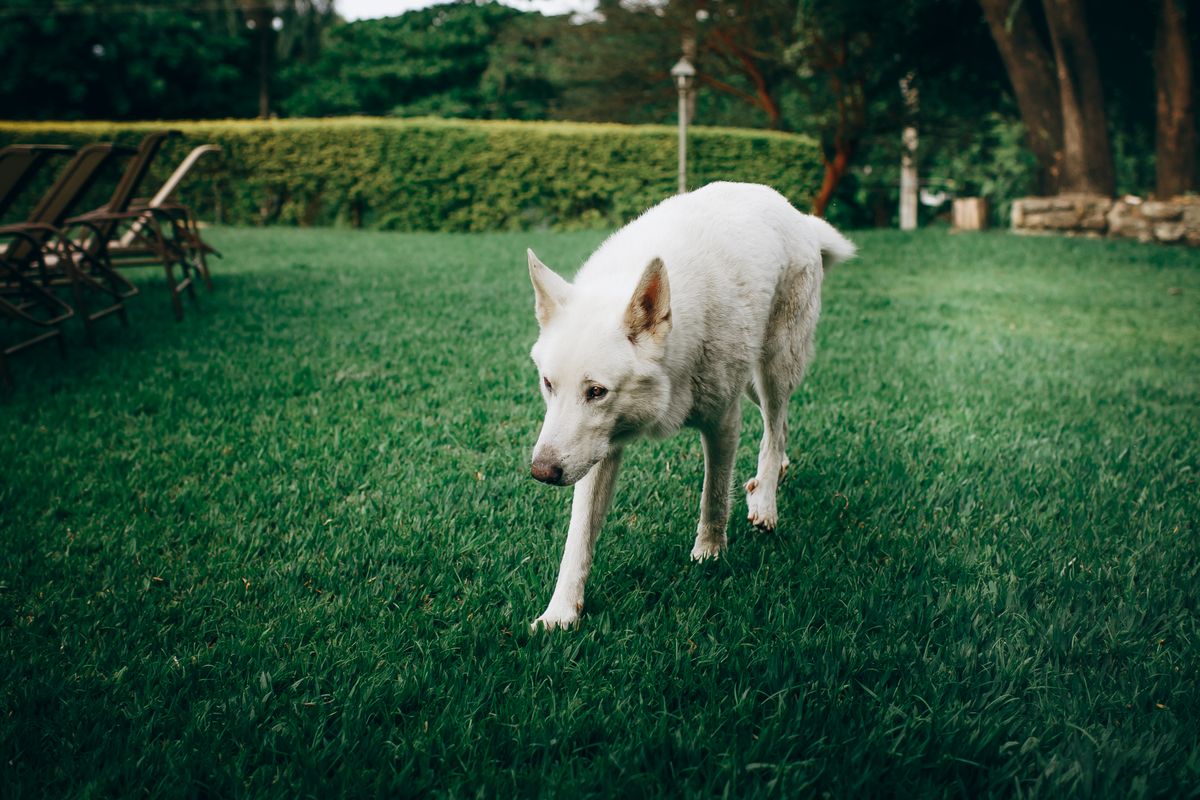
A yard that works at 9 a.m. can be wrong by 2 p.m. Dogs get tired, heat builds during Charlotte summers, and tired dogs make poorer choices. Staff rotate dogs out for naps, split a group that is getting too rowdy, and pull a dog who is shadowing one playmate too closely. That movement is a sign the system is working, not that something went wrong.
Weather changes the plan too. Summer thunderstorms in the Piedmont can move play indoors, shrink the space, and raise the noise. Good facilities lower group sizes on those days rather than packing the same number of dogs into a smaller room.
What owners can do to help the match
Be honest about your dog's history. If your dog has snapped over a toy, dislikes intact males, panics at thunder, or has never actually played with another dog, say so at booking. Staff can plan around almost any of that. What they cannot plan around is a surprise.
Also keep expectations plain for the first visit. A dog who spends the first day watching from the edge and sniffing every corner has not failed daycare. Many dogs need two or three visits before they play like they do at home, and a slow start often leads to a better long-term fit than a dog who dives in and overwhelms everyone on day one.
Common questions
Does my dog have to be social to attend daycare?
No, but the format may differ. Some dogs do better in small groups, paired play, or individual time with staff rather than a large yard, and an evaluation helps sort that out.
Why was my dog moved to a different group?
Groups are adjusted for energy, fatigue, heat, and how play styles are mixing that day. A move usually means staff were paying attention, not that your dog misbehaved.
Can puppies join play groups?
Often yes, once vaccination requirements are met, in groups matched for size and energy with extra rest breaks. Puppies tire quickly and need more downtime than adult dogs.
Photos in this guide are representative stock images.
← All guides from Double N Kennels← Back to Double N Kennels