An older dog can board well. What an older dog cannot do well is board exactly like a two-year-old. Joints are stiffer, sleep is lighter, medication times matter more, and a small change in appetite or thirst that would mean nothing in a young dog can be the first sign of something that needs attention soon.
That is the real work behind senior and special-needs boarding at places like Double N Kennels in Charlotte. It is not extra fuss. It is catching the small thing early, while it is still a small thing, instead of discovering it three days later when it has become urgent, painful, and much harder to fix.
What changes as a dog gets older
Large breeds are often considered senior around seven to ten years old, and giant breeds sooner. The signs are familiar: slower rising after a nap, hesitation on stairs, less interest in long play, more interest in a quiet corner. Hearing and vision fade gradually, so a dog who seems stubborn may simply not have heard a cue or seen a step.
Boarding adds new floors, new smells, and a different routine. A senior dog needs time to learn where the water bowl is, where the door to the yard is, and which surface is slippery. Ramps or a ground-level run, non-slip mats, and a bed with real support are not luxuries for an arthritic dog. They are the difference between a dog who settles and a dog who spends the stay tense and sore.
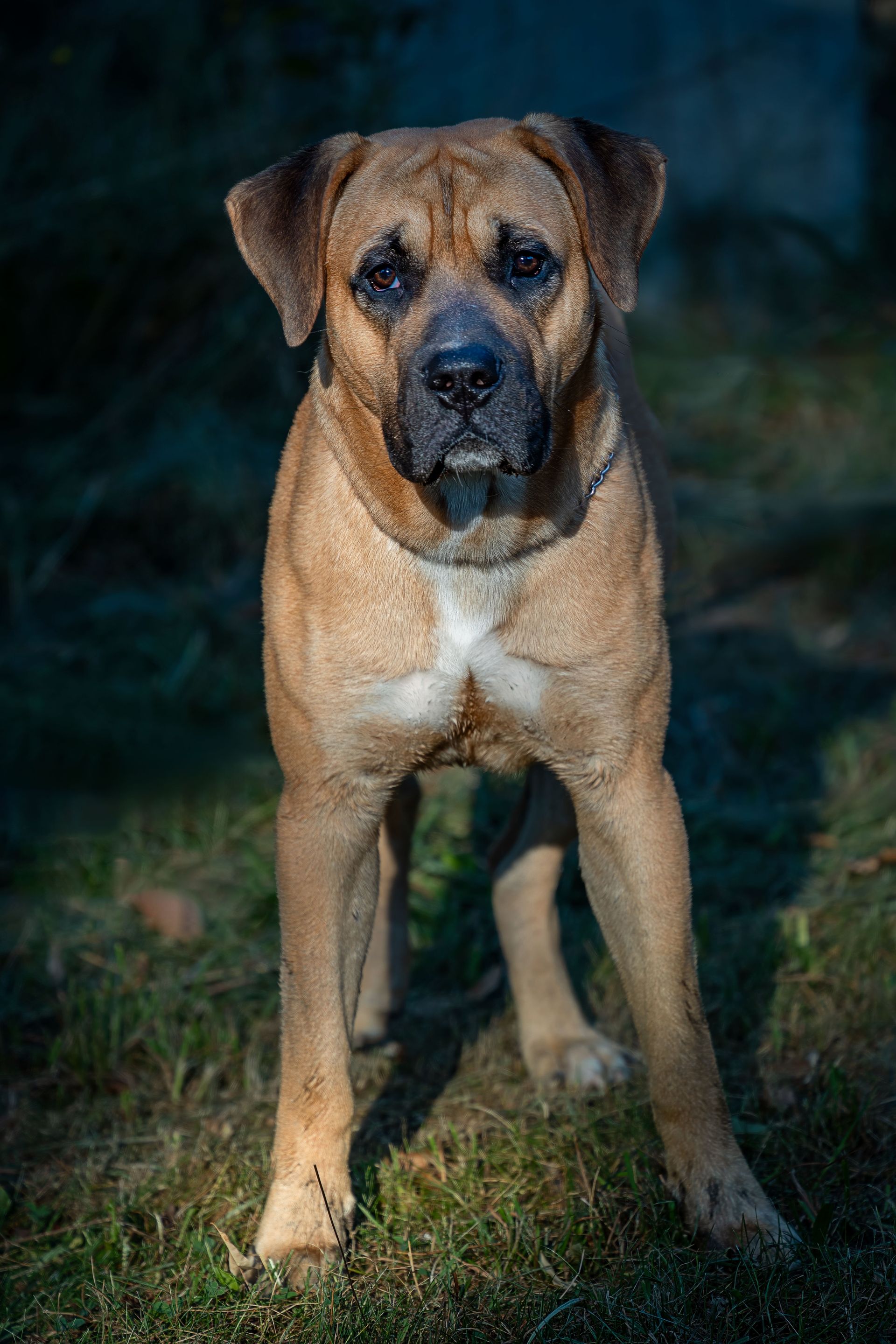
Medication is a schedule, not a suggestion
Many senior dogs arrive with a list: a joint supplement in the morning, a heart or thyroid medication twice a day, eye drops, ear medication, or insulin that has to follow a meal. Missing one dose of some medicines is a minor slip. Missing several, doubling a dose, or giving a medication on an empty stomach when it should follow food can cause real harm.
Bring medication in its original labeled container, not loose in a bag. Write the dose, the time, and what to do if a dose is refused. Say plainly whether your dog will take a pill in food, needs it placed by hand, or fights it. Staff would much rather hear that a dog is difficult about pills before the first dose than discover it at 7 a.m. with a spat-out tablet on the floor.
Tell the facility about recent changes too. A new medication started last week, a dose adjusted last month, or an appetite that has been off for a few days all change how closely a dog should be watched.
The small problems that grow when nobody is watching
Cost of neglect in boarding rarely looks dramatic at first. It looks like a dog who drank a little less, left half a meal, or needed help getting up once. Left alone, dehydration can worsen kidney strain. A skipped meal in a diabetic dog can throw off blood sugar. A dog who cannot rise comfortably may stop trying to reach water, which makes everything worse in a loop.
Monitoring breaks that loop. Good senior care means someone notes how much was eaten, whether water intake looks normal, whether stools are formed, and whether mobility looks the same as it did at drop-off. Those notes, compared day to day, are how a mild concern gets a vet call on day two instead of an emergency on day five.
The same applies after heartworm treatment boarding and other medical stays, which are part of the work at Double N Kennels. A dog who must stay calm and restricted needs the opposite of a busy, exciting kennel day, and that restriction has to hold even when the dog feels better and starts asking for more activity.
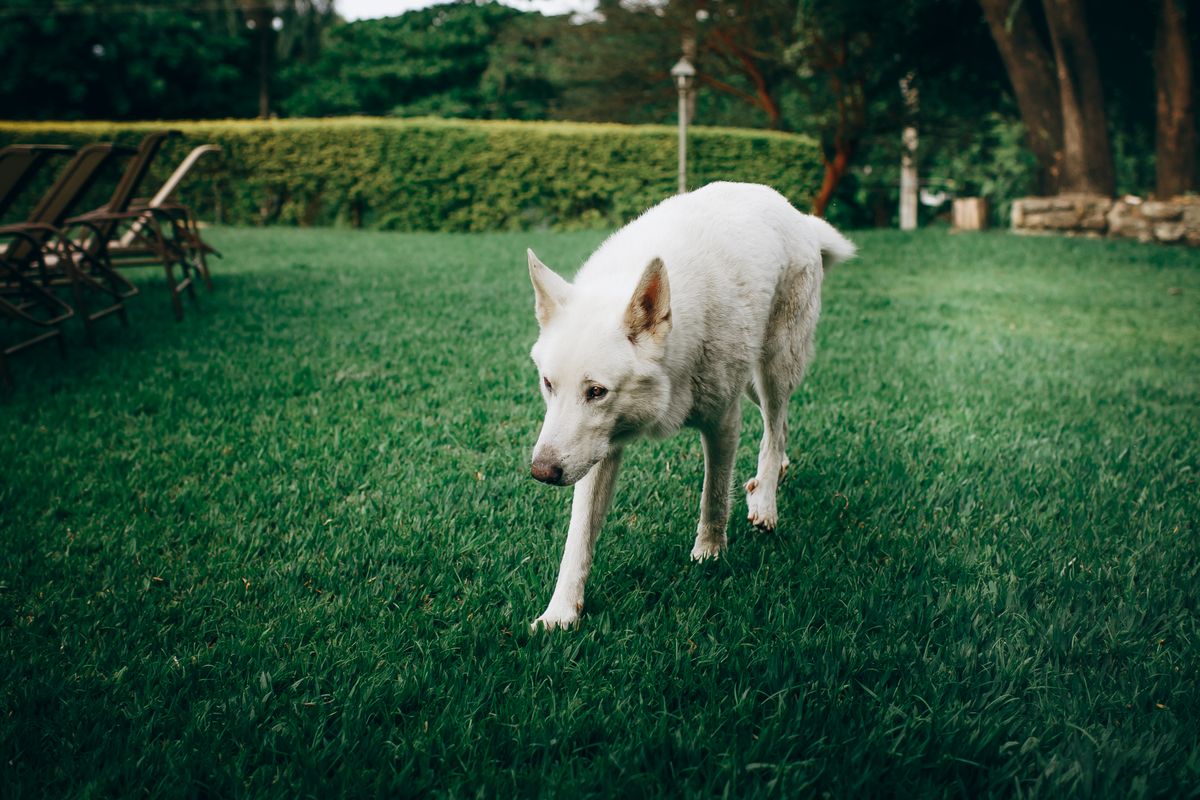
Questions to ask before you book a senior stay
Ask where older dogs sleep and whether stairs are involved. Ask who gives medication, how doses are logged, and what happens if a dose is missed or refused. Ask how often senior dogs get out, since older bladders and stiff joints both do better with shorter, more frequent trips outside rather than one long session. Ask what triggers a call to you or to your veterinarian.
Then answer their questions honestly. If your dog has had seizures, a recent fall, trouble with incontinence, or a heart condition, say so even if it feels like a long list. A facility can plan around almost any need it knows about. It cannot plan around one it learns about mid-stay.
Finally, pack for the dog you have now, not the dog from two years ago. Current food, current medication, a familiar blanket if allowed, and written notes that match the dog who walks in. That honesty is what makes a senior stay restful instead of risky.
Common questions
Can a dog with arthritis board comfortably?
Usually yes, with ground-level housing, supportive bedding, short frequent outings, and medication given on schedule. Tell the facility about stairs, slippery floors, and how your dog handles being helped up.
Should I bring my senior dog's own food?
Yes. Sudden food changes commonly cause stomach upset, and older dogs have less margin for a day or two of poor eating. Bring enough for the whole stay plus a little extra.
What medical information should I leave behind?
Leave your veterinarian's name, an emergency contact who can make decisions, current medications with doses and times, and any recent changes in appetite, mobility, or behavior.
Photos in this guide are representative stock images.
← All guides from Double N Kennels← Back to Double N Kennels